Guide
Choosing an orthodontic clinic, in the right order
Orthodontics means visiting the same clinic for two or three years. Before appliance types, settle the diagnostic records, the orthodontist, and the terms for transferring out.
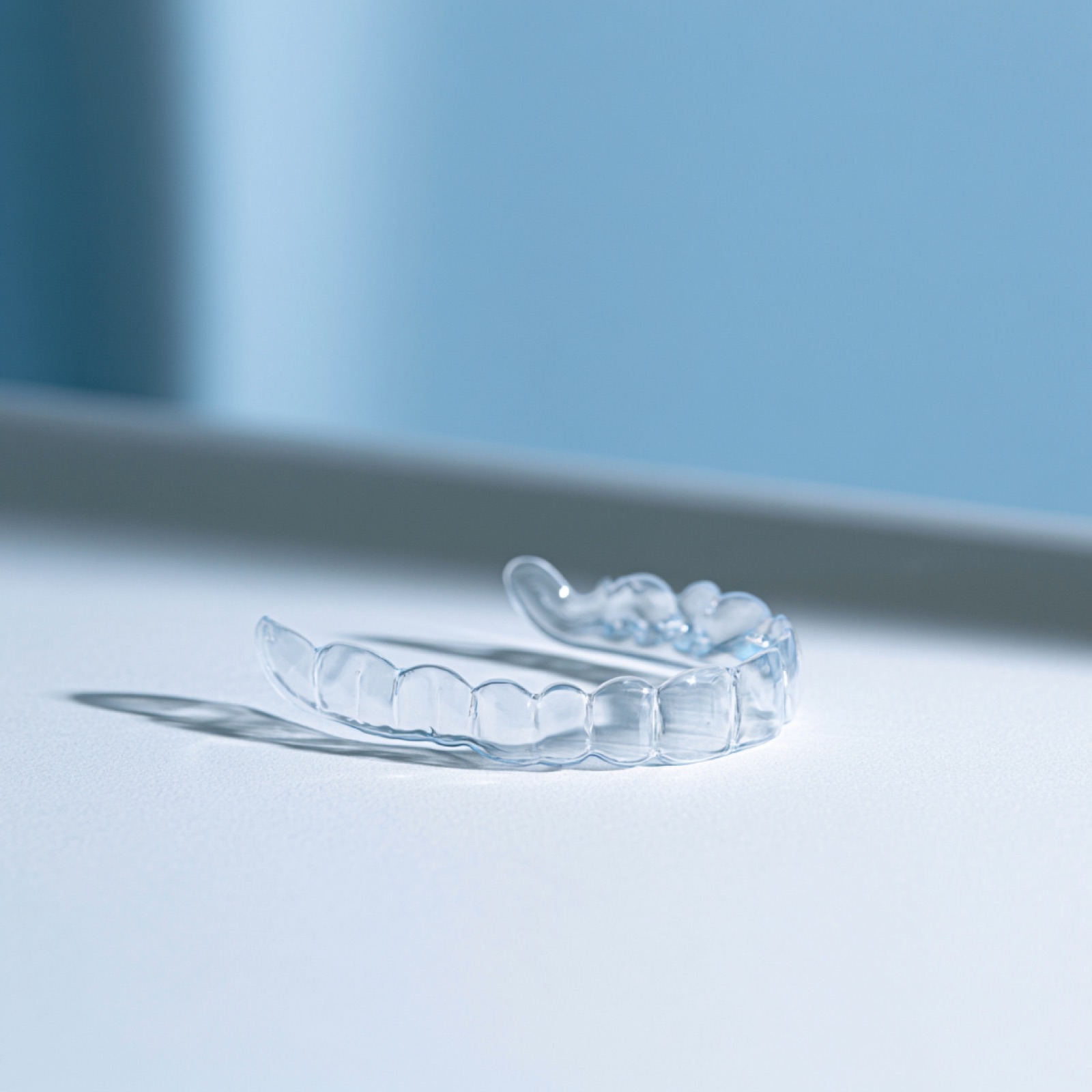
Orthodontics is a long contract with a clinic
Treatment runs eighteen months at the short end and past three years at the long one, with an adjustment visit roughly monthly. Choosing the clinic is, in practice, entering a multi-year arrangement.
Some things come before appliance type and price: what records the diagnosis is made from, who writes the treatment plan and who does the monthly adjustments, and what happens if circumstances force you to move to another clinic partway.
Start with the diagnostic records
The standard records are a lateral cephalometric X-ray, an intraoral scan or impression, and a cone-beam CT where it is needed. Planning tooth movement from those records is the orthodox route.
Ask "What do you diagnose from?" and "What is the treatment aiming at?" Whether the goal is reducing protrusion, straightening alignment, or correcting the bite as well changes both the plan and the timeline.
Look for a registered orthodontist
Orthodontics is one of the recognised dental specialties in Korea, and whether a clinic has a registered orthodontist — and how many — is verifiable from HIRA open data. "Specialising in orthodontics" in an advertisement and a HIRA registration are separate things; the registration is the one you can check.
That said, the absence of a registration does not mean a clinic cannot treat you — general dentists may practise orthodontics. Which is all the more reason to establish, by name, who will write your plan and handle the monthly adjustments.
Cost structure and transfer terms
Orthodontic costs usually split into a diagnostic fee, the appliance, a monthly adjustment fee charged per visit, and retainers. Whether the adjustment fee is inside the headline total or charged separately changes the real burden considerably, so go through it line by line.
Settle in writing, before you sign, what happens on refunds and handover if a move or a new job takes you elsewhere. Treatment is long enough that transfers are not rare, and terms left vague turn into disputes.
FAQ
Frequently asked
Can a dentist who is not a registered orthodontist treat me?
Legally, yes. But orthodontics is a defined dental specialty. Use the HIRA registration as a reference point, and ask at the consultation who will actually write the plan and perform the monthly adjustments.
What should I ask at an orthodontic consultation?
Four things: what records the diagnosis is based on, the expected duration and the reasoning behind it, whether the total includes monthly adjustments and retainers, and the refund rule if you transfer mid-treatment. Get all four in writing.
Clear aligners or brackets?
It depends on the case. Large tooth movements often favour brackets; mild alignment corrections are achievable with aligners. Either way, watch whether the recommendation is argued from the diagnostic records.
Why do clinics quote different durations?
Because they are aiming at different things. A plan that only aligns the teeth and a plan that also corrects the bite take different amounts of time. Do not compare durations without asking what each one is aiming at.
Do some clinics not charge a monthly adjustment fee?
Some fold it into the total instead. Inclusive pricing looks larger up front; separate pricing adds up per visit. Multiply by the expected number of visits to compare the real burden.
Are retainers really necessary?
Teeth tend to drift back toward where they started, so relapse is a real risk without retention. Establish the retainer type, how long it has to be worn, and the cost of a replacement if it is lost.
What happens to the money if I change clinics mid-treatment?
Refund and handover rules differ. Get the refund percentages by stage in writing before signing, and ask whether the new clinic can take over the case — including whether your records transfer.
Can adults have orthodontic treatment?
Yes. Growth has finished, so tooth movement can behave differently, and gum condition matters more — periodontal treatment sometimes has to come first. Check that the diagnosis includes an assessment of the gums.
Updated 2026-08-20
Related